

In the competitive industrial landscape of 2026, operational efficiency no longer depends solely on machinery, but on the physical and mental performance of the workforce. A critical factor is garment ergonomics, where the use of Colombian fabrics for export manufactured by Tejeprocesos has established itself as a standard of quality. The implementation of Spandex fabrics for industrial uniforms has shifted from a fashion trend to a productivity requirement that defines modern companies.
By transforming the uniform into a “technical second skin,” physical tension points that drain energy during the workday are eliminated. In this sense, textile engineering has evolved so that comfort becomes the driver of safety, allowing every operator to reach their maximum potential without the restrictions of the rigid materials used in the past.
The Evolution of Spandex Fabrics for Heavy-Duty Industrial Uniforms

The history of textiles has been a constant search for durability. However, the concept of “heavy-duty” has changed drastically. Previously, durability was achieved through thick fabrics that limited mobility. The true revolution came with the incorporation of elastane into industrial environments.
To understand this change, it is fascinating to look at the history of textile materials, where spandex, invented in 1958, transitioned from being exclusive to sports to becoming an essential component in protective garment engineering.
In 2026, the evolution toward heavy-duty work does not imply using 100% elastic fabrics, but rather perfecting high-tenacity technical blends. In this line, spandex is integrated with robust fibers to create garments that can stretch up to five times their size and recover their original shape. This property is key to resisting tears under mechanical stress during demanding tasks, allowing the garment to move with the body in confined spaces.
Benefits of Spandex Fabrics for Industrial Uniforms in Risk Prevention

Modern industrial safety understands that a garment that restricts movement is a dangerous garment. The use of elastic textiles directly impacts the reduction of accidents and ergonomic injuries, as it allows for a more natural physical response from the worker during unexpected events on the plant floor.
Ergonomics and Freedom of Movement
Spandex allows for unrestricted mobility (especially with 4-way stretch technologies), reducing muscle fatigue in repetitive tasks. Being lighter and more adaptable garments, they facilitate quick and agile movements. This is part of what we define at Tejeprocesos as technological innovation in industrial uniforms, where the fabric acts as an effective yet flexible barrier against operational risks.
Injury Reduction through Compression
Garments with technical elasticity improve blood circulation and stabilize soft tissues. This light compression prevents ergonomic injuries. Furthermore, high abrasion resistance ensures that, despite its lightness, the fabric offers real physical protection against scrapes.
Thermal Comfort and Breathability
Currently, stretch technology is combined with rapid moisture-wicking systems. This ensures that the worker stays cool, preventing risks of thermal fatigue—a critical factor in sectors like mining or construction in hot zones.
Comparison: Oxford Spandex vs. Traditional Rigid Textiles
For HR managers and plant directors, choosing between traditional and innovative materials is a matter of performance. Below is a detailed comparison between Tejeprocesos’ Oxford Spandex and traditional rigid textiles.
|
Feature |
Oxford Spandex (Tejeprocesos) |
Traditional Rigid Textiles |
| Elasticity | High (Elastic and moldable) | Null or very low (Rigid) |
| Fit | Ergonomic / Modern Style | Loose / Structured |
| Recovery | Rate >95% (Retains shape) | May deform over time |
| Main Use | Modern and active workwear | Structured formal shirts |
| Mobility | Total freedom of movement | Limited by the silhouette |
It is important to note that our offer is not limited to Oxford; Tejeprocesos features leading references such as Harvard Spandex, Fil-a-Fil Spandex, and Sevillana Spandex, each designed to balance resistance and adaptability.
Lifecycle of Spandex Fabrics for Industrial Uniforms in Industrial Laundries
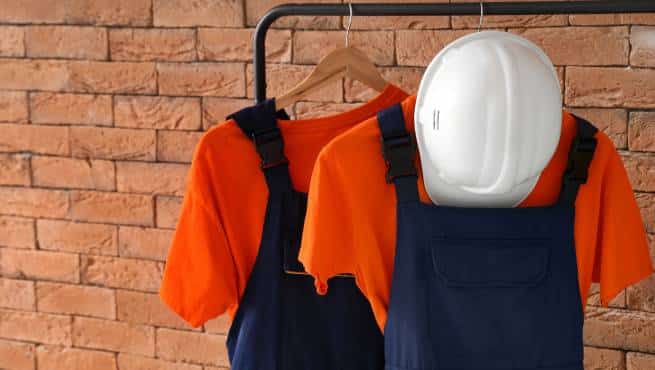
One of the biggest concerns in the operational sector is durability. High-quality spandex has a rubber-like molecular structure that allows it to recover its original shape even after intensive use, provided proper care protocols are followed.
Lifecycle Optimization
To maximize performance, it is crucial to understand fiber behavior. The lifespan of a technical garment ranges between 80 and 110 washes before losing its elastic properties. Excessive heat and chlorine are enemies of elastane, as they degrade the fiber molecularly.
A garment that retains its shape after numerous wash cycles guarantees a long-lasting professional image. This new key in modern workwear ensures that the company’s investment remains visible in the excellent presentation of its team.
The Impact of Elastic Comfort on Talent Retention

In 2026, employee well-being is a retention strategy. An operator using high-quality textiles feels higher job satisfaction. Using elastic fabrics reduces accumulated physical fatigue, which translates into a better work environment and lower turnover.
When a company invests in technical textiles like Harvard Spandex or elastic Drill Zeus, it sends a message: the health of its team is a priority. Comfortable professionals project a better corporate image and demonstrate greater pride in belonging.
The Future is Flexible with Tejeprocesos
Spandex technology has transformed the industrial uniform into high-performance equipment. In 2026, competitiveness is measured by a company’s ability to offer well-being while maintaining safety.
At Tejeprocesos, we lead the manufacturing of textiles that incorporate these innovations for the global market. By choosing our solutions, you are not just acquiring fabric; you are acquiring a tool to boost productivity and build loyalty in your high-performance teams.
Are you ready to take your company’s workwear to the next level of ergonomics?
Explore our smart fabric catalog and discover how textile innovation can revolutionize your work environment. Contact us today to receive samples of our leading textiles.

