
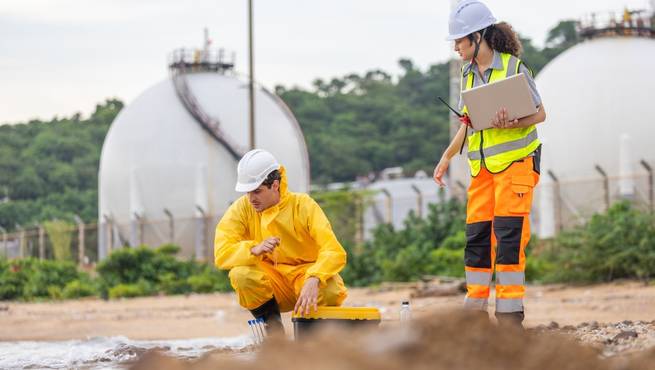
In the global industry of 2026, workwear has evolved from a simple logistical requirement into an active protection tool and a productivity asset. For sectors such as agriculture, energy, mining, and logistics—where operators face intense shifts under changing weather conditions and biological or chemical risks—choosing UV protection and anti-fluid fabrics is a strategic decision.
At Tejeprocesos, we understand that workplace safety is non-negotiable. Therefore, our Colombian fabrics for export do not just meet corporate aesthetics; they integrate advanced biotechnology to offer a comprehensive defense against environmental risks, ensuring that every garment is an investment in the health and well-being of your human talent.
The Importance of UV Protection and Anti-Fluid Fabrics for Outdoors
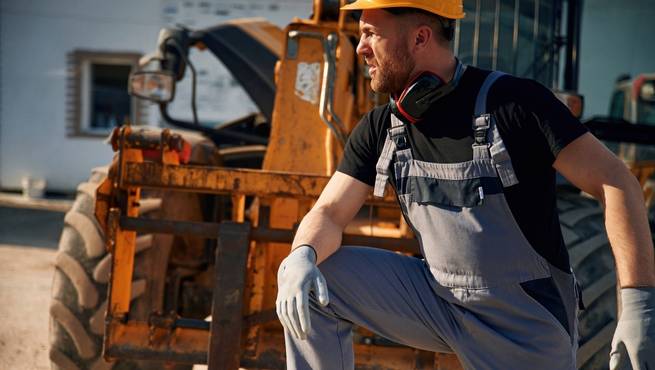
Prolonged exposure to solar radiation is one of the most critical and often underestimated risks for field personnel. In 2026, Occupational Health and Safety (OHS) regulations have become more rigorous regarding protection against skin diseases. UV protection and anti-fluid fabrics act as a physical shield that blocks up to 98% of ultraviolet rays (UVA and UVB).
This protection is vital, considering that health authorities have increased alerts regarding occupational sun exposure. It is essential for companies to implement preventive measures against solar rays and ultraviolet radiation to mitigate long-term health risks for their operators, ensuring safer and more productive work environments.
Impact on Worker Health
When an operator uses conventional textiles, radiation penetrates the fibers, causing cumulative damage to the dermis. Tejeprocesos’ technical textiles are designed with high-density yarns or ceramic finishes that scatter radiation. This not only prevents sunburn but also reduces thermal exhaustion, allowing workers to maintain their concentration and energy levels throughout the day, significantly decreasing the likelihood of labor accidents due to fatigue.
Protection of Textile Integrity
An additional benefit of UV protection is the preservation of the garment itself. Solar radiation tends to “burn” fibers and pigments, causing uniforms to become brittle and lose their original color within weeks. By utilizing our technologies, the molecular structure of the polyester and cotton remains stable, resulting in workwear that looks professional and maintains its mechanical resistance for much longer.
UV Protection and Anti-Fluid Fabrics Technology: Chemical Barrier or Mechanical Sealing?
For decision-makers in technical purchasing departments, it is fundamental to understand that not all repellent fabrics are created equal. The technology behind UV protection and anti-fluid fabrics has evolved into hybrid systems that guarantee superior performance under both artificial and natural atmospheric conditions.
High-Tension Chemical Finishes
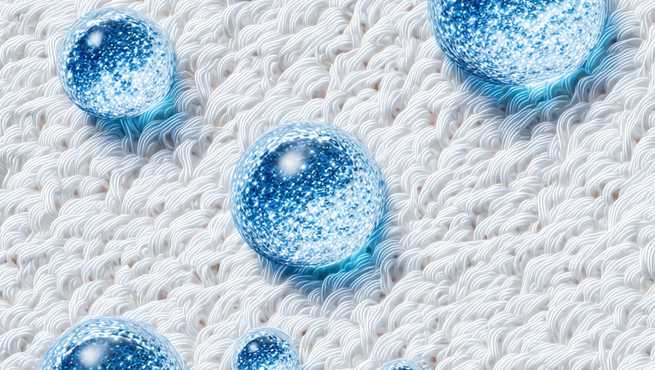
These treatments consist of the application of an invisible layer of polymers that increases the surface tension of the fabric. When a liquid (water, oil, or bodily fluids) comes into contact with the garment, the tension causes the liquid to turn into spherical beads that roll off without penetrating the weave. In 2026, Tejeprocesos uses PFC-free (perfluorocarbon-free) finishes, ensuring that the protection is environmentally friendly and safe for the user’s skin.
Mechanical Sealing and High-Density Construction
Beyond chemistry, the construction of the fabric plays a vital role. Textiles from our line, such as Oxford, feature a weave that closes the fabric’s pores. This “mechanical barrier” ensures that even if the chemical finish loses potency after multiple washes, the fabric density continues to offer a degree of resistance against particles and fluids. This duality is what defines a world-class smart textile provider.
International Regulations for UV Protection and Anti-Fluid Fabrics for 2026
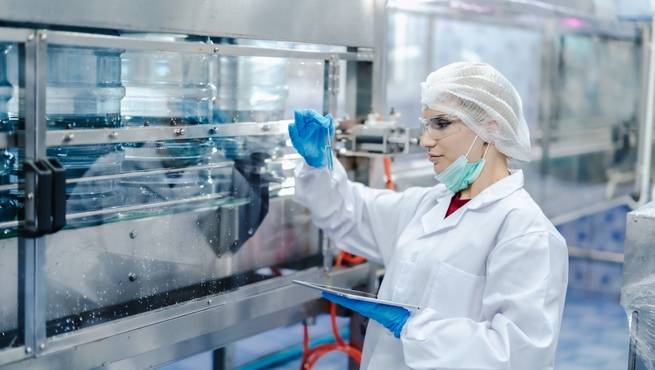
Exporting Colombian textiles requires strict compliance with international standards. At Tejeprocesos, we subject our references to rigorous laboratory tests to ensure that sustainable industrial uniforms 2026 meet global safety and climatic durability standards.
Our processes are strictly aligned with regulations for resistance to atmospheric conditions and exposure to UV light, guaranteeing that the material maintains its protective properties even after prolonged exposure to humidity and intense light in certified laboratories.
- UPF Certification (Ultraviolet Protection Factor): Our fabrics reach UPF 50+ levels, the highest range of industrial solar protection.
- AATCC 22 Standard (Water Repellency): We evaluate the resistance of our fabrics to surface wetting, ensuring the operator remains dry.
- OEKO-TEX® Standard 100: Guarantees that our fabrics are free from substances harmful to the worker’s skin.
Drill Zeus Performance in Extreme Weather Conditions
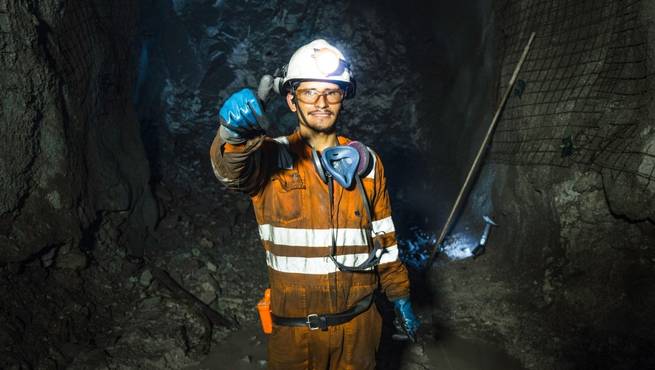
Within the Tejeprocesos portfolio, there is a reference that embodies maximum resistance: Drill Zeus. This textile has been specifically designed for high-impact sectors such as mining and oil & gas.
Abrasion and Tensile Strength
In rustic outdoor environments, uniforms are subject to constant friction with tools and heavy machinery. Drill Zeus stands out for its high tenacity, which prevents tears that could expose the worker’s skin to environmental hazards.
Climatic Versatility
Despite its robustness, its engineering allows for balanced breathability. This is crucial when combining UV protection and anti-fluid technologies, as the operator needs body heat to be evacuated efficiently to avoid thermal shock. It is the ultimate “all-terrain” fabric.
Application by Sector: Why Does Your Industry Need These Textiles?

To understand the value of these fabrics, we must look at their practical applications in the 2026 market:
- Agricultural Sector: Workers are exposed to agrochemicals and long days under the sun. Anti-fluid fabrics prevent chemicals from penetrating the skin.
- Logistics and Transport: Personnel require uniforms that do not stain easily and keep them protected from direct sun at loading docks.
- Energy Sector: Technicians performing maintenance on electrical grids work under extreme radiation; here, UV protection is a life-or-death requirement.
Benefits of Implementing Smart Textiles in Your Company

Implementing UV protection and anti-fluid fabrics generates a positive impact on key performance indicators (KPIs) for any organization:
- Absenteeism Reduction: By protecting workers against heat stroke, skin dehydration, and humidity-related infections, medical leave is reduced.
- Sustainability and Circular Economy: Being high-tech textiles with a longer lifespan, the company reduces the amount of textile waste generated annually, aligning with sustainable fabric policies.
- Brand Image Improvement: A work team that maintains an impeccable uniform—without liquid stains and with vibrant colors—projects professionalism and order to clients and partners.
Safety and Vanguard for Your Workforce
The textile industry of 2026 demands solutions that go beyond the basics. By choosing Tejeprocesos technologies, your company gains the backing of decades of experience in Colombian fabrics for export. Protecting your workforce with UV protection and anti-fluid fabrics is an investment in operational longevity, human safety, and corporate prestige.
Do you want to elevate the standards of protection and efficiency in your organization?
Explore our complete fabric catalog and find the technical solution designed for your industrial challenges. Contact us today for personalized advice and discover why we are the leaders in textile innovation in Colombia.

